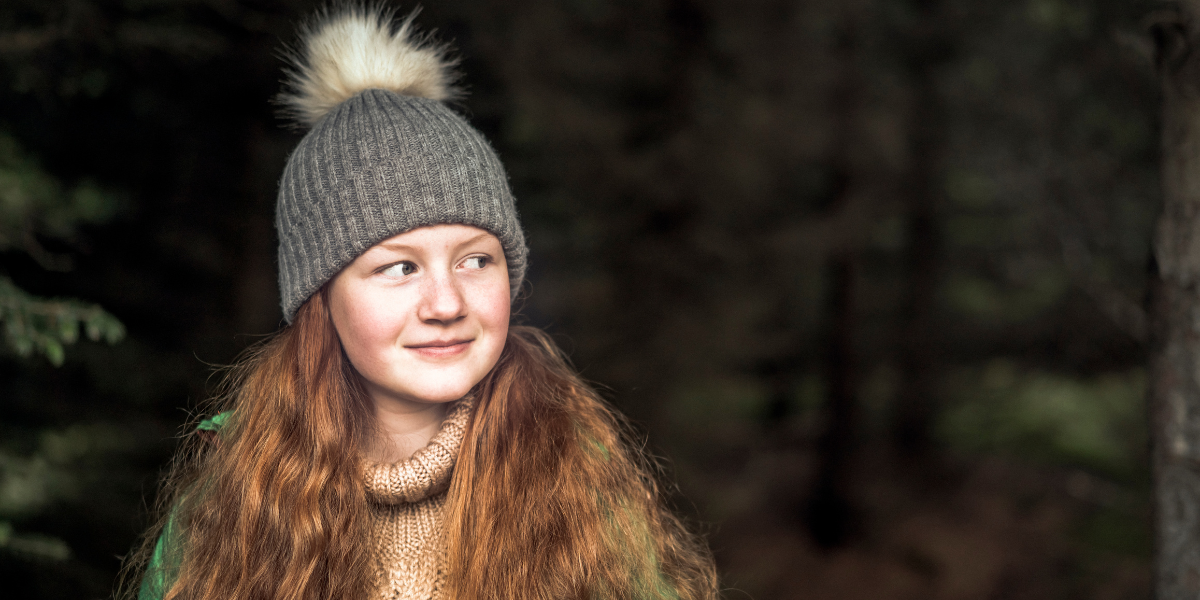
If you’ve browsed our selection of 100% alpaca hats and beanies you’re going to notice something quickly – they are not sized like a traditional hat. You’ll also find they come in a variety of weights and gauges. This is by design and done with purpose. Let’s explore why.
Alpaca Fiber Grades
When knitting an alpaca hat, we choose fiber grades that are soft and feel good against your skin. This means we would select grade one (royal), grade two (baby), or grade three (superfine).
Here is what you should remember when considering what grade hat to purchase:
- Royal alpaca is luxurious and it feels amazing against your skin, but it is so soft it becomes a bit floppy due to it’s lovely drape.
- Baby alpaca is slightly less soft, but it comes with a more robust wear because it doesn’t have the same drape as royal alpaca.
- Superfine alpaca offers the best option by offering a soft wear, but one that has more structure and has a lot less drape.
The amount of drape (or flop as I say) influences the size of the hat itself. The more drape, the less memory and the more the hat will stretch over time.
Professional knitters – and those companies who make commercial knit hats – size their products in accordance to this potential growth. Because of this, you’ll find alpaca hats averaging about 15-25% smaller than a traditional hat. Again, this is by design so the hat won’t grow into an uncomfortable and messy wear.
Hat Weights
Another key element to selecting the right hat is the thickness of the hat itself. By default, alpaca is far warmer than acyclic, cotton, or other materials. You simply do not need a super thick alpaca hat in most areas of the USA.
Because we sell and ship to customers all over the USA, we need to have a variety of weights (thicknesses) to accommodate the different needs of our buyers. For this reason, we offer hats that come in lightweight, midweight, and heavyweight.
Here is what you should remember when considering what weight of hat to purchase:
- Lightweight alpaca hats are great for southern climates, people who tend to run hot, or those who would like to layer their hat.
- Midweight alpaca hats are great for the midwest and northern climates. They’ll offer great warmth and they’ll be versatile, which will accommodate more diverse weather conditions.
- Heavyweight alpaca hats are ideal for winter in the northern portion of the USA. They’ll also offer more protection to winds and gusts.
Knit Gauges
A knit gauge is the number of stitches and the number of rows per inch. Different hats will have different gauges. In addition to overall look, the gauge will influence how warm your hat feels.
For example, a hat with less stitches per row will be more open and it will have more opportunity for wind and cold air to sneak through. While this won’t matter for some geographical areas in the USA, it does where we live in Northern Michigan, which has lots of snow, wind, and cold in winter.
During the heart of winter, I prefer a tighter gauge for the heart of winter, because it will do a better job of stopping the wind and cold creeping in. During spring or fall I’ll opt for a looser knit hat.
Wrapping Things Up
Buying an alpaca hat just isn’t the same as buying a acrylic hat at the discount chain store. Alpaca has different properties for warmth and wear, which need to be considered when shopping around.
Key points to remember when purchasing your first alpaca hat:
- Remember your alpaca hat will arrive looking smaller than other hats you own. Unlike acrylic that stays firm, alpaca will relax over time and take on the shape of your head. It does not have the same memory characteristics, so expect the hat to be a bit snug to start with and loosen with the first few wears.
- Remember to watch the fiber grade of the hat your purchasing. Avoid ultra soft royal alpaca and opt for a baby or superfine alpaca grade.
- Avoid hats that don’t offer a grade, because they may end up being too rough for wearing next to your skin. The industry rule is not to use anything grade four or greater for garments worn next to your skin.
- Watch the thickness or weight of your future hat and match it to your weather.
- Don’t overbuy for your area’s weather. Remember that alpaca is far warmer than others materials and you don’t need a super thick hat to stay warm.
- If you’re in a very cold climate, pay attention to the hat gauge and remember a tighter knit will produce more warmth because it will do a better job keeping the wind and air out. I’ve found this isn’t as important for the head, but it is important for the ears which tend to get colder faster.
You’re probably thinking there was a lot more involved than you expected. Does this mean you shouldn’t wear alpaca beanies and hats? Not at all. Alpaca makes amazing hats that keep you warm, allows your head to breath, and feel nice and soft against your skin. You just need to understand the properties of alpaca and make sure you purchase a hat that is suitable to your head size.