If you’re looking to purchase an alpaca hat or you’re comparing alpaca hats to cashmere or sheep’s wool, you might be feeling a little overwhelmed with all the data. This is especially true when the data isn’t explained or it is misrepresented. This guide will give you the facts needed to buy the perfect alpaca for your needs.
Let’s break down the top considerations you should review before buying an alpaca hat or beanie:
- Softness – The softness of an alpaca hat or beanie is often tied to the fiber grade, with finer alpaca fiber feeling smoother and more luxurious against the skin. Higher quality fiber (royal, baby, and superfine) can make the hat more comfortable for long wear while also giving it a premium feel that many buyers associate with luxury winter accessories.
- Itchy factor – Many people choose alpaca fiber because it is often softer and less itchy than traditional sheep’s wool. The reduced itch factor (attributed to no lanolin, finer fiber, and smaller scales) can make alpaca hats more comfortable for sensitive skin and easier to wear for extended periods of time.
- Warmth – Alpaca fiber is known for providing exceptional warmth without adding excessive weight or bulk to a hat or beanie. This makes alpaca hats a strong option for cold weather, outdoor activities, and winter layering while still maintaining comfort.
- Temperature regulation – Alpaca fiber naturally helps regulate temperature, allowing the wearer to stay warm in cold conditions without overheating as temperatures change. This balanced performance makes alpaca hats and beanies practical for both active outdoor use and everyday winter wear.
- Fit – An alpaca hat will be sized smaller than other hats or beanies. This is because the hat can and will expand to fit your hat naturally. Keep this in mind so you don’t purchase a hat too large or return a hat that would actually fit your head.
- Durability – Well-made alpaca hats and beanies are valued for their durability and ability to maintain their appearance over time with proper care. Strong natural fibers and quality construction can help the hat resist wear while supporting long-term use as a timeless wardrobe piece.
- Moisture wicking – Alpaca fiber naturally helps wick moisture away from the skin, which can improve comfort during outdoor activities or changing weather conditions. This moisture management can help keep the wearer drier and more comfortable compared to some traditional winter materials.
- Odor control – Natural alpaca fiber is known for its ability to resist retaining odors during repeated wear. This makes alpaca hats and beanies especially appealing for travel, outdoor activities, and extended winter use when frequent washing may not be practical.
- Sustainability – Alpaca fiber is frequently viewed as a more sustainable natural fiber option because alpacas have a relatively gentle environmental impact compared to many other livestock animals. Buyers who value slow fashion and long-lasting products often appreciate alpaca hats as an investment in durable, natural apparel.
That list may seem like a lot, but stress not! I’ll break this down further in the next few sections and the following FAQs.
Optimal Fiber Grades for Alpaca Hats
When knitting an alpaca hat, we choose fiber grades that are soft and feel good against your skin. This means we would select grade one (royal), grade two (baby), or grade three (superfine).
Here is what you should remember when considering what grade hat to purchase:
- Royal alpaca – Royal alpaca is luxurious and it feels amazing against your skin, but it is so soft it becomes a bit floppy due to it’s lovely drape.
- Baby alpaca – Baby alpaca is slightly less soft, but it comes with a more robust wear because it doesn’t have the same drape as royal alpaca.
- Superfine alpaca – Superfine alpaca offers the best option by offering a soft wear, but one that has more structure and has a lot less drape.
The amount of drape (or flop as I say) influences the size of the hat itself. The more drape, the less memory and the more the hat will stretch over time.
Professional knitters (and those companies who make commercial knit hats) size their products in accordance to this potential growth. Because of this, you’ll find alpaca hats averaging about 15-25% smaller than a traditional hat. Again, this is by design so the hat won’t grow into an uncomfortable and messy wear.
Different Weights for Alpaca Hats
Another key element to selecting the right hat is the thickness of the hat itself. By default, alpaca is far warmer than acyclic, cotton, or other materials. You simply do not need a super thick alpaca hat in most areas of the USA.
Because we sell and ship to customers all over the USA, we need to have a variety of weights (thicknesses) to accommodate the different needs of our buyers. For this reason, we offer hats that come in lightweight, midweight, and heavyweight.
Here is what you should remember when considering what weight of hat to purchase:
- Lightweight – Lightweight alpaca hats are great for southern climates, people who tend to run hot, or those who would like to layer their hat.
- Midweight – Midweight alpaca hats are great for the midwest and northern climates. They’ll offer great warmth and they’ll be versatile, which will accommodate more diverse weather conditions.
- Heavyweight – Heavyweight alpaca hats are ideal for winter in the northern portion of the USA. They’ll also offer more protection to winds and gusts.
Applicable Knit Gauges for Alpaca Hats
A knit gauge is the number of stitches and the number of rows per inch. Different hats will have different gauges. In addition to overall look, the gauge will influence how warm your hat feels.
For example, a hat with less stitches per row will be more open and it will have more opportunity for wind and cold air to sneak through. While this won’t matter for some geographical areas in the USA, it does where we live in Northern Michigan, which has lots of snow, wind, and cold in winter.
During the heart of winter, I prefer a tighter gauge for the heart of winter, because it will do a better job of stopping the wind and cold creeping in. During spring or fall I’ll opt for a looser knit hat.
FAQs to Help in Your Evaluation of the Ideal Alpaca Hat
What are alpaca hats made from?
Alpaca hats are made from alpaca fiber, a natural, ultra-soft fiber known for its warmth, durability, and lightweight feel. Most alpaca hats are made from baby or superfine alpaca fiber, which provides a nice balance of softness and fit.
Are alpaca hats warmer than wool hats?
Yes, alpaca fiber is naturally warmer than traditional wool. Some studies have estimated that alpaca is at least three times warmer than traditional sheep’s wool, although we’ll be honest in saying there isn’t a definitive study that can be used to quantify this number.
Are alpaca hats soft enough for people with sensitive skin?
Yes, alpaca fiber is soft and hypoallergenic, making it a great option for those with sensitive skin.
A few things to know:
- A 100% alpaca hat will be lanolin free, which is the major cause of irritation for people with sensitive skin.
- Alpaca fiber has smaller scales than other natural fibers. The smaller scales help provide that baby soft feel. Putting this in numbers, alpaca and cashmere share the same average scale height of ~0.4 μm, where a sheep’s wool will have a scale height of ~0.8 μm.
- The scale frequency will also impact softness. The greater the frequency, the softer the feel. Alpaca generally has a frequency of 9 edges, where sheep’s wool would have roughly 4 edges. This denser scale pattern contributes to a smoother, more continuous fiber surface.
- An alpaca hat made from royal, baby, or superfine alpaca fiber should have limited guard hair and primaries, which are a significant cause of that prickly feel. Commercial “grading” of fiber will grade to the highest value, so if grading is done properly, a royal, baby, or superfine alpaca hat should have zero guard hair present.
Purchasing your hat from a quality alpaca farm or store will help make sure you’re purchasing a high-quality hat that helps promote the hypoallergenic properties of alpaca fiber.
Note: An alpaca hat purchased from Amazon generally has very little alpaca in it or it was produced with low quality alpaca fiber. In both cases, an itchy wear will result. This is generated based on the seller not being truthful and blame does not fall on the alpaca fiber itself.
Are alpaca hats hypoallergenic?
Yes, alpaca fiber is naturally hypoallergenic because it contains no lanolin, which is a common irritant found in sheep’s wool.
Some people, like me, are very allergic to lanolin. I can wear an alpaca hat all day long without issue, however, that same hat in sheep’s wool would only last a few minutes before I begin forming a rash and start itching.
Do alpaca hats regulate temperature?
Yes, alpaca fiber is thermoregulating, helping keep you warm in cold weather while remaining breathable in milder conditions. This is a primary area where alpaca will outperform all other natural materials.
Do alpaca hats wick moisture?
Yes, alpaca fiber naturally wicks moisture away from your skin, helping you stay dry and comfortable. This will also work to reduce sweaty and stinky heads.
Can alpaca hats get wet?
Alpaca is naturally water-repellent (it can absorb up to 30% of its weight in moisture before feeling wet). How does that translate to wear? If you’re caught in a heavy snowstorm or rain, an alpaca hat will hold its shape better than cashmere because the fibers are stronger and won’t become floppy.
That said, it’s important to keep that in perspective. If you take a soaking wet alpaca hat and stretch it over a large object to dry, it will permanently set to that larger size.
Does alpaca wool stink when wet?
I’m always surprised with this question because I’ve never experienced it.
Most people associate wet natural fibers with the wet dog smell typical of sheep’s wool. However, the science behind alpaca fiber explains why it behaves differently.
Here’s why alpaca won’t stink when wet:
- No lanolin – The primary culprit behind the stinky smell in wet sheep’s wool is lanolin. When it gets wet, the water reacts with the lanolin and the natural bacteria trapped within it, releasing a distinct, pungent musky odor.
- Moisture retention and bacteria – Odors in textiles are usually not caused by the fiber itself, but by bacteria that thrive in damp environments. Because sheep’s wool and cashmere have higher scale heights, they can trap more moisture and organic debris (skin cells, dust) deep within the fiber. When wet, this creates a the perfect environment for odor-causing bacteria. Alpaca fiber has a lower scale profile which allows it to wick moisture away and dry significantly faster than wool.
Are alpaca hats good for everyday wear?
Yes, alpaca hats are lightweight, breathable, and comfortable enough for daily use across seasons and climates. They are also highly durable when cared for correctly.
On our farm we wear alpaca hats all winter long from barn work to social activities.
Can alpaca hats be worn in extreme cold?
Yes, midweight and heavyweight alpaca hats are ideal for cold climates and provide excellent insulation in winter conditions.
What is the difference between lightweight and heavyweight alpaca hats?
Lightweight, midweight, and heavyweight tie directly to the warmth of that hat. Lightweight alpaca hats are ideal for mild weather and layering, while heavyweight alpaca hats provide maximum warmth for colder climates.
Our store offers a variety of hats in all weights so we can accommodate all USA states and climates.
How long do alpaca hats last?
With proper care, alpaca hats are durable and long-lasting, making them a great investment piece that will last years to decades.
Archaeologists have found alpaca textiles in Peruvian ruins that are over 2,500 years old and they still retained their luster and structural integrity, proving the fiber’s status as a legacy material that can last for many, many years.
Are alpaca hats considered luxury products?
Yes, alpaca fiber is considered a premium material due to its softness, warmth, and durability.
And this affirmative answer isn’t just based on the fact that I own an alpaca farm, I love these animals, and I produce alpaca products.
In the Incan Empire, alpaca and vicuña textiles were considered more valuable than gold or silver. The fiber was legally reserved exclusively for royalty and high-government officials.
Are alpaca hats worth the investment?
Yes, an alpaca hat is always worth the investment. The hat will provide warmth, softness, comfort, and longevity which makes it a strong value compared to lower-quality alternatives.
Do alpaca hats stretch over time?
Alpaca fiber has natural elasticity, so hats will gently conform to your head shape while maintaining their structure. And, alpaca fiber is generally less likely to lose its shape compared to sheep’s wool or cashmere, provided it is cared for correctly.
In the textile world, the ability of a fabric to return to its original shape is called elastic recovery.
Here is how alpaca handles stretching and shape retention:
- High tensile strength – Alpaca fiber has a significantly higher tensile strength than wool or cashmere. This means the individual fibers are harder to break or permanently deform. When you wear an alpaca garment, the fibers can handle the stress of movement without fatiguing or snapping, which is a primary reason the garment maintains its structural integrity over years of wear.
- Memory retention – While alpaca is very strong and it has a natural crimp that acts like a tiny spring that pulls the fiber back to its original position. Our industry values crimp structure and we breed for greater crimp to help support this memory.
Do alpaca hats pill over time?
Minimal pilling may occur with wear, but alpaca fiber is generally more durable than many other natural fibers like wool or cashmere. This answer comes from years of producing and wearing alpaca products. There is a major difference between the longevity of my alpaca accessories and that of my husband or son. The difference isn’t the material, it’s the level of care that is associated with use. If you fail to follow washing instructions or you are overly harsh in wear, pilling will occur. But this will happen with any knit product, regardless of the material.
Are alpaca hats one size fits all?
Many alpaca hats are designed with flexible sizing to fit most adults comfortably due to the natural stretch of the fiber. It’s the beauty of alpaca fiber – it can effortlessly stretch to accommodate various size heads.
What does farm-to-fashion mean?
It means we use traceable fiber and transform it into finished products like hats, maintaining quality and traceability throughout the process.
Are alpaca hats part of slow fashion?
Yes, alpaca hats are designed to be timeless, durable pieces that you can wear for years rather than replacing frequently.
Are alpaca hats sustainable?
Alpaca fiber is a renewable, natural resource, that has minimal impact on the environment. Alpacas are gentle on the earth in both movement and grazing, they are highly efficient eaters, and they require little upkeep. Washing alpaca fiber requires much less chemicals and labor than other natural products.
Sustainable Comparison of Alpaca, Sheep’s Wool, and Cashmere
| Feature | Alpaca | Sheep's Wool | Cashmere (Goat) | Winner |
|---|---|---|---|---|
| Grazing Impact | Gentle: Padded feet and "nibbling" protect soil and roots. | Moderate: Hooves compact soil; graze very close to the ground. | High: Sharp hooves and uprooting style cause desertification. | Alpaca |
| Water Usage | Low: No lanolin (grease); requires minimal cold-water washing. | Very High: 10–25% of weight is wax; requires intensive hot-water scouring. | Moderate: Requires scouring and de-hairing but has less grease than sheep. | Alpaca |
| Chemical Input | Minimal: 22+ natural shades reduce the need for synthetic dyes. | High: Heavy detergents for scouring; commercial breeds are mostly white. | Moderate: Some chemicals are used to "soften" or strip lower-grade fibers. | Alpaca |
| Fiber Yield | High: 1 animal = ~4–5 sweaters per year. | Moderate: 1 animal = ~1–2 sweaters per year. | Very Low: 4 animals = ~1 sweater per year. | Alpaca |
| Methane Emissions | Lowest: Camelids produce 30–50% less methane than ruminants. | High: Standard ruminant enteric fermentation profile. | High: Standard ruminant enteric fermentation profile. | Alpaca |
| Durability | High: High tensile strength; resists pilling and stretching. | Moderate/High: Elastic and durable, but prone to shrinking/felting. | Low/Moderate: Very delicate; prone to significant pilling and wear. | Alpaca |
By combining the physical data on fiber structure with environmental impact, a clear picture emerges of which fiber is the most sustainable. While cashmere remains the luxury benchmark for softness, alpaca is the consistent winner across nearly every sustainability metric due to its unique biology and low-impact processing.
Why choose alpaca over synthetic materials?
Alpaca offers superior breathability, warmth, and comfort without relying on petroleum-based fibers. It’s also highly sustainable, which is even more goodness.
How does an alpaca compare to cashmere or sheep’s wool?
While cashmere is the softest and sheep’s wool is the most elastic, an alpaca hat is the best overall choice because it outperforms warmth, hypoallergenic, durability, resistance to weather, and odor control.
Comparing Alpaca Hats to Sheep’s Wool and Cashmere
| Feature | Alpaca Hat | Sheep's Wool Hat | Cashmere Hat |
|---|---|---|---|
| Skin Comfort | Best: Lanolin-free and smooth scales; zero forehead itch. | Variable: Even fine wool can cause prickle due to higher scales. | Excellent: Extremely soft, though can feel sweaty if too thick. |
| Warmth | Highest: Semi-hollow fibers trap more heat than solid fibers. | High: Excellent insulation, especially when thick. | High: Very warm for its weight, but thin fibers lose heat faster. |
| Shape Retention | Moderate: Can relax over a long day; needs a ribbed knit for grip. | Best: High natural crimp acts like a spring to keep the hat snug. | Low/Moderate: Delicate fibers can stretch out and bag over time. |
| Weather Resistance | Excellent: Naturally water-repellent and stays warm even when damp. | Good: Naturally water-repellent but takes much longer to dry. | Poor: Becomes heavy and flat when wet; loses luxury texture. |
| Durability | High: Resists pilling and thinning from frequent use. | Moderate/High: Very durable but will eventually pill at friction points. | Low: High friction (taking on/off) leads to rapid pilling. |
| Odor Resistance | Best: No lanolin to turn stinky when wet; dries quickly. | Fair: Can develop a wet wool smell due to wax content. | Moderate: Generally neutral but can trap scalp oils/odors. |
Can you wash an alpaca hat?
Yes, alpaca hats can generally be washed. The majority of alpaca hats are hand washed; however, a few will recommend dry cleaning.
How should I wash my alpaca hat?
For the majority of alpaca hats, we recommend hand washing in cool water and a mild soap or shampoo. Baby shampoo is a gentle cleaner that will work great. Once washed, lay flat to dry.
Can alpaca hats be machine washed?
The safe answer is no. Only an alpaca blend hat, with little alpaca, would be safe in a washing machine. Hand washing is preferred to maintain shape and fiber integrity, though some material blends may tolerate a gentle wash cycle. It is better to be safe, than sorry. Hand wash your alpaca hat just to be safe.
What happens if you put alpaca wool in the dryer?
A 100% alpaca product will shrink if placed in the dryer. And when we say shrink, we me going from an adult size to a toddler size. Heat damages alpaca fiber and products made from it.
Where are your alpaca hats made?
Our hats are made in the USA and Peru. We prioritize USA-made products whenever possible, but due to constraints in USA manufacturing, we cannot always do so. When we do import from Peru, we solely work with trusted Peruvian partners who hold certifications for material safety and Fair Trade.
Are any hats made from your own alpacas?
Yes, some of our handmade hats are made using fiber from alpacas raised on our farm. These hats are crafted with love my Grandma Lil (Jason’s mom) and two ladies in the industry named Pat and Nancy.
Why do you offer hats made in Peru?
The equipment and skillset for manufacturing alpaca hats in the USA is very limited. From washing and yarn spinning to knitting, the USA lacks the infrastructure to work with alpaca. In Peru, alpaca is the core of their culture and their revenue. They have a long tradition of raising alpacas, working with alpaca fiber, and manufacturing high quality goods. We partner with these skilled artisans to expand our collection while maintaining quality standards.
Wrapping Things Up
Buying an alpaca hat just isn’t the same as buying a acrylic hat at the discount chain store. Alpaca has different properties for warmth and wear, which need to be considered when shopping around.
Key points to remember when purchasing your first alpaca hat:
- Remember your alpaca hat will arrive looking smaller than other hats you own. Unlike acrylic that stays firm, alpaca will relax over time and take on the shape of your head. It does not have the same memory characteristics, so expect the hat to be a bit snug to start with and loosen with the first few wears.
- Remember to watch the fiber grade of the hat your purchasing. Avoid ultra soft royal alpaca and opt for a baby or superfine alpaca grade.
- Avoid hats that don’t offer a grade, because they may end up being too rough for wearing next to your skin. The industry rule is not to use anything grade four or greater for garments worn next to your skin.
- Watch the thickness or weight of your future hat and match it to your weather.
- Don’t overbuy for your area’s weather. Remember that alpaca is far warmer than others materials and you don’t need a super thick hat to stay warm.
- If you’re in a very cold climate, pay attention to the hat gauge and remember a tighter knit will produce more warmth because it will do a better job keeping the wind and air out. I’ve found this isn’t as important for the head, but it is important for the ears which tend to get colder faster.
You’re probably thinking there was a lot more involved than you expected. Does this mean you shouldn’t wear alpaca beanies and hats? Not at all. Alpaca makes amazing hats that keep you warm, allows your head to breath, and feel nice and soft against your skin. You just need to understand the properties of alpaca and make sure you purchase a hat that is suitable to your head size.
Ready to Start Shopping?
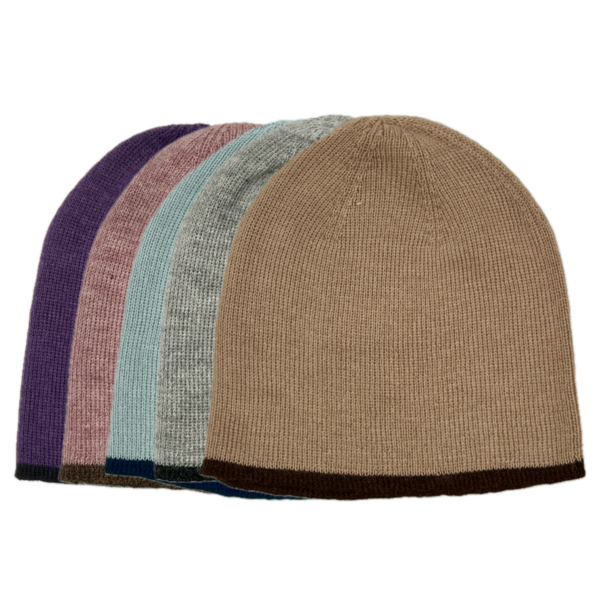
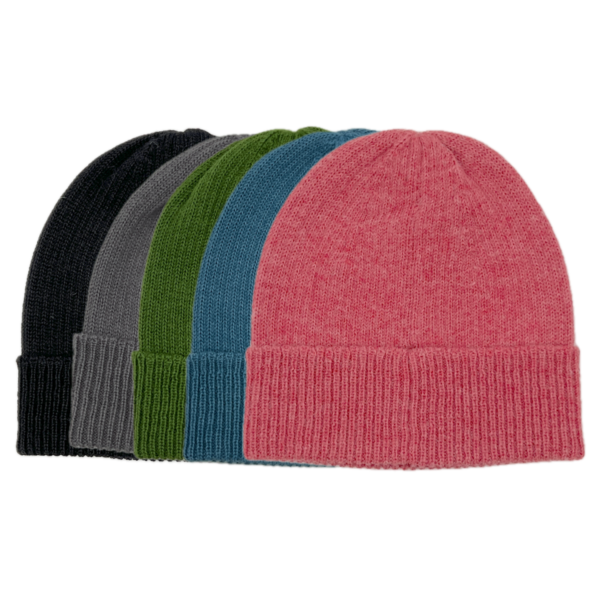
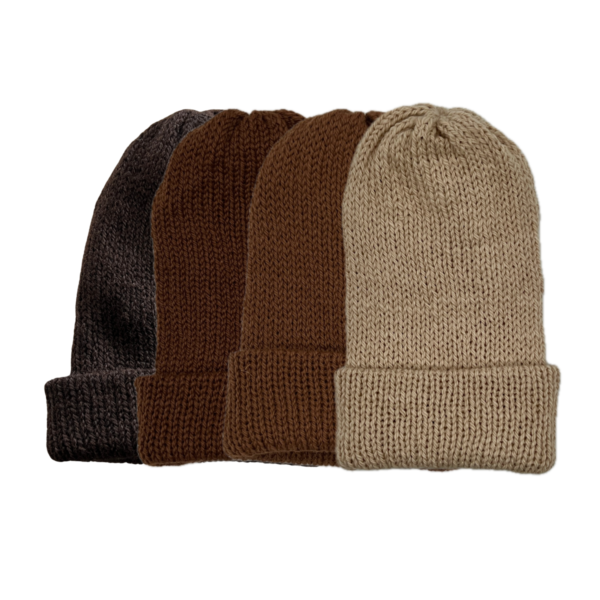
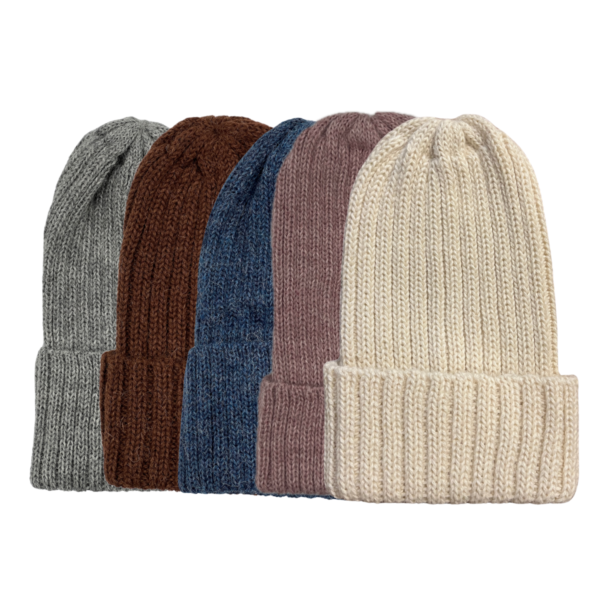
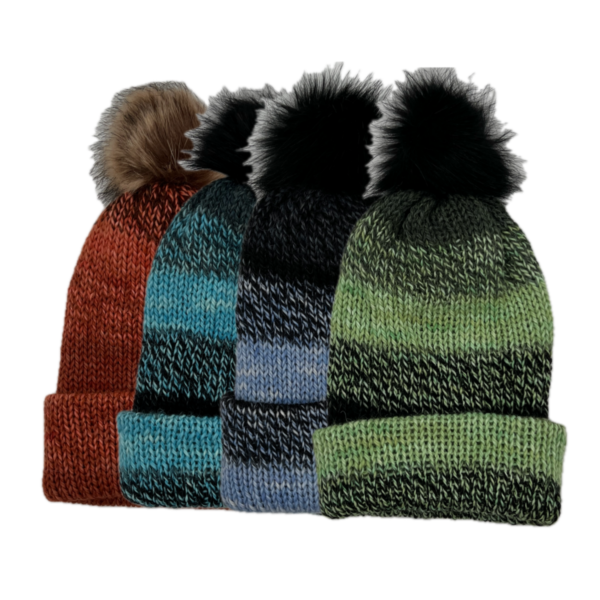
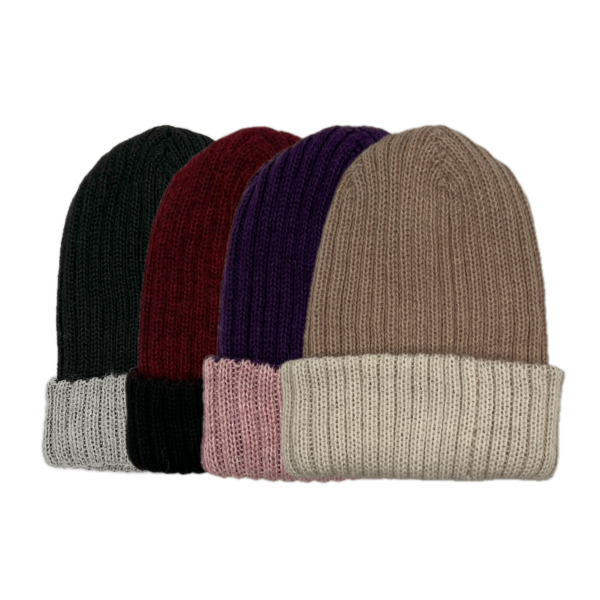
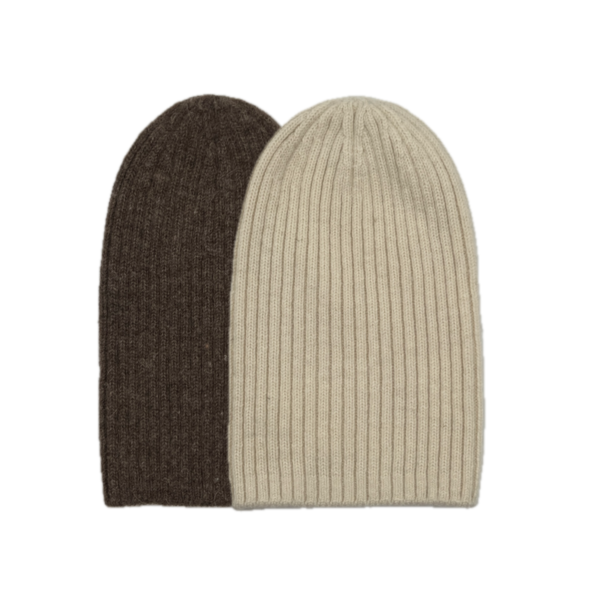
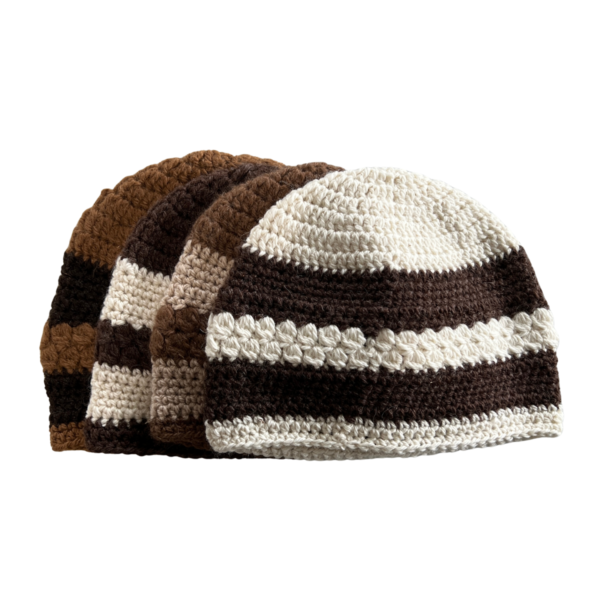
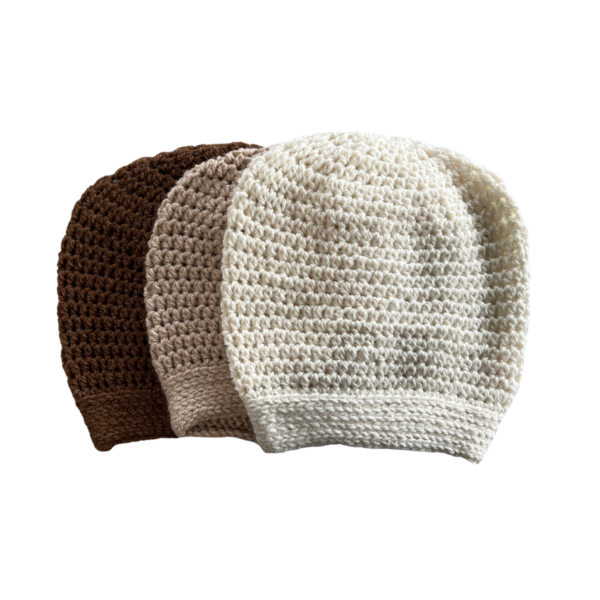
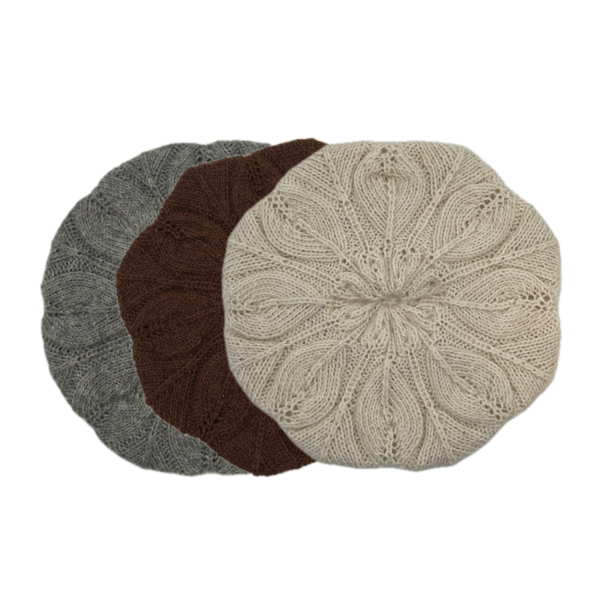
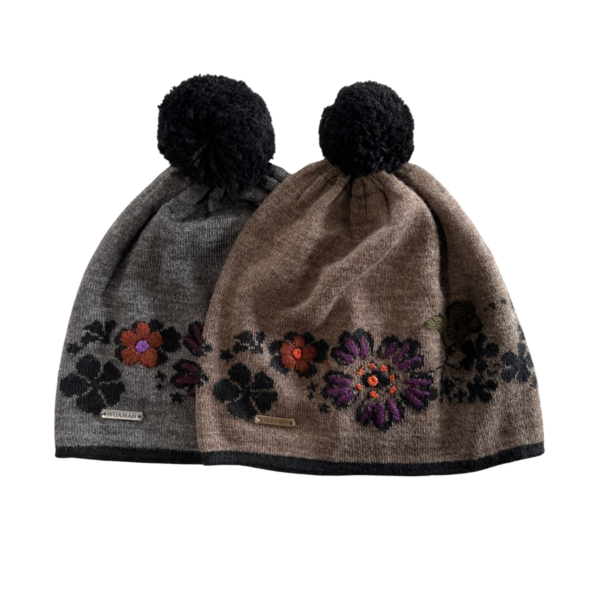
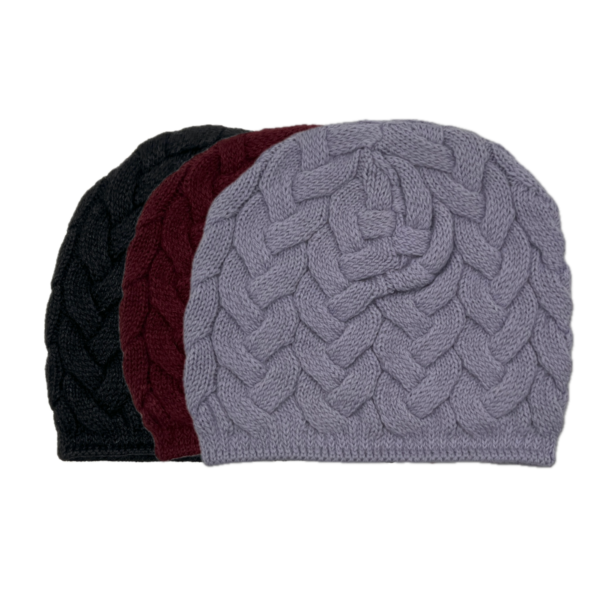
Here is a sampling of the hats available in our alpaca store. These vary each year based on available fiber and artisan workload.